

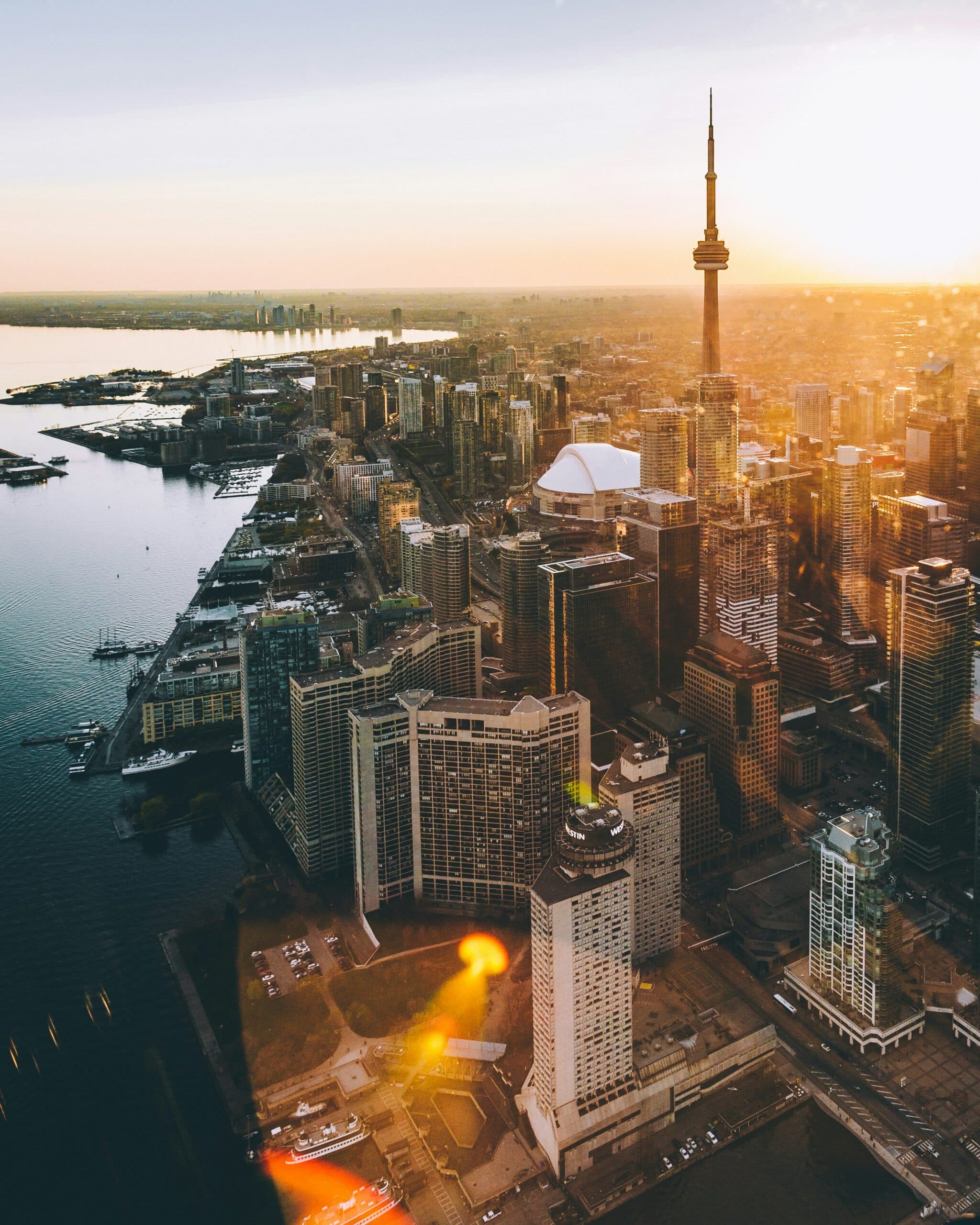
Toronto: A Local City Guide Beyond the World Cup
The City Beyond the Stadium
Toronto will welcome the world during the FIFA World Cup 2026—but the real soul of Toronto lives far beyond matchdays and fan zones.
This city guide is for visitors who came for football but want to experience daily life as locals do: neighborhoods with personality, food that reflects the city’s diversity, and urban moments that don’t feel staged for tourists.
Think of this as Toronto’s B-Sides—the places you discover between matches, the cafés you return to twice, the streets where the city feels lived-in rather than visited.
Neighborhoods Worth Exploring
Kensington Market
Vibe: Eclectic, bohemian, unapologetically local
Why it shines during big events: Always alive, no matter what’s happening in the city
Ideal for: Food lovers, creatives, curious walkers
A compact maze of vintage shops, murals, record stores, and global street food. This is where Toronto’s multicultural identity feels most organic. Come hungry, walk slowly.
West Queen West
Vibe: Creative, modern, arts-forward
Why it works during the World Cup: Easy to drop in for a drink or gallery hop
Ideal for: Design fans, nightlife-light seekers
Independent boutiques, cafés with personality, and bars that fill up after work rather than after kickoff. A good balance of energy without chaos.
The Danforth (Greektown)
Vibe: Community-driven, relaxed, social
Why it’s special: Long walks, casual dining, real neighborhoods
Ideal for: Chill evenings, shared meals, repeat visits
This stretch feels residential but welcoming. Expect family-run restaurants, late dinners, and a slower pace that contrasts nicely with downtown buzz.
Ossington Strip
Vibe: Trendy without being flashy
Why it stands out: Local nightlife that feels intentional
Ideal for: Bars, low-key social scenes, couples
A short strip packed with bars and restaurants locals actually use. Even busy nights feel manageable.
Food, Drinks & Local Spots
Toronto’s food scene isn’t about prestige—it’s about range.
- Street food & casual eats: Caribbean patties, banh mi, tacos, dumplings—often under CAD 10–15
- Cafés: Independent coffee shops dominate; expect good espresso and quiet corners
- Bars: Neighborhood pubs and natural wine spots over mega-clubs
Local tip: If a place has no obvious signage and a line of locals, you’re in the right spot.
Culture, Walks & Urban Experiences
Perfect between matches or on rest days:
- Waterfront walks: Lakeside paths near Harbourfront or east toward Leslieville
- Short museum visits: AGO or smaller galleries—easy 1–2 hour experiences
- Urban parks: Trinity Bellwoods for people-watching, Riverdale Park for skyline views
- Neighborhood strolls: No destination needed—Toronto rewards wandering
These are experiences that fit naturally into a day, not ones that take it over.
How to Move Around the City Like a Local
- TTC (metro, streetcar, bus): Reliable and easy
- Cost: ~CAD 3.35 per ride, daily passes available
- Streetcars: Especially useful downtown
- Walking: Many neighborhoods are compact and walkable
- Ride-sharing: Widely used, especially late nights
Tip: Tap-to-pay works almost everywhere—no need to overplan transport.
Safety & Practical Tips for Visitors
- Overall safety: High, especially in central neighborhoods
- Where to stay: Downtown West, Queen West, Leslieville, The Annex
- What to avoid: Empty areas very late at night—standard big-city awareness
- Local attitude: Polite, reserved, helpful when approached respectfully
- Emergency number: 911
Budget Snapshot – Daily City Life (Outside the Stadium)
Budget traveler (~CAD 60–80/day)
- Street food & casual meals
- Public transit only
- Free parks & walks
Comfortable (~CAD 120–150/day)
- Sit-down meals
- Coffee breaks
- 1–2 paid attractions
Premium-light (~CAD 200/day)
- Better dining
- Bars or events
- Ride-sharing when needed
Toronto rewards smart spending—luxury isn’t required for a great experience.
Why This City Is Worth Staying Longer
Toronto isn’t a city you “check off.” It’s one you settle into.
The World Cup may bring you here, but the neighborhoods, conversations, and everyday rituals are what stay with you.
Give it an extra day. Or two.
That’s when Toronto stops being a host city—and starts feeling like a place you know.