

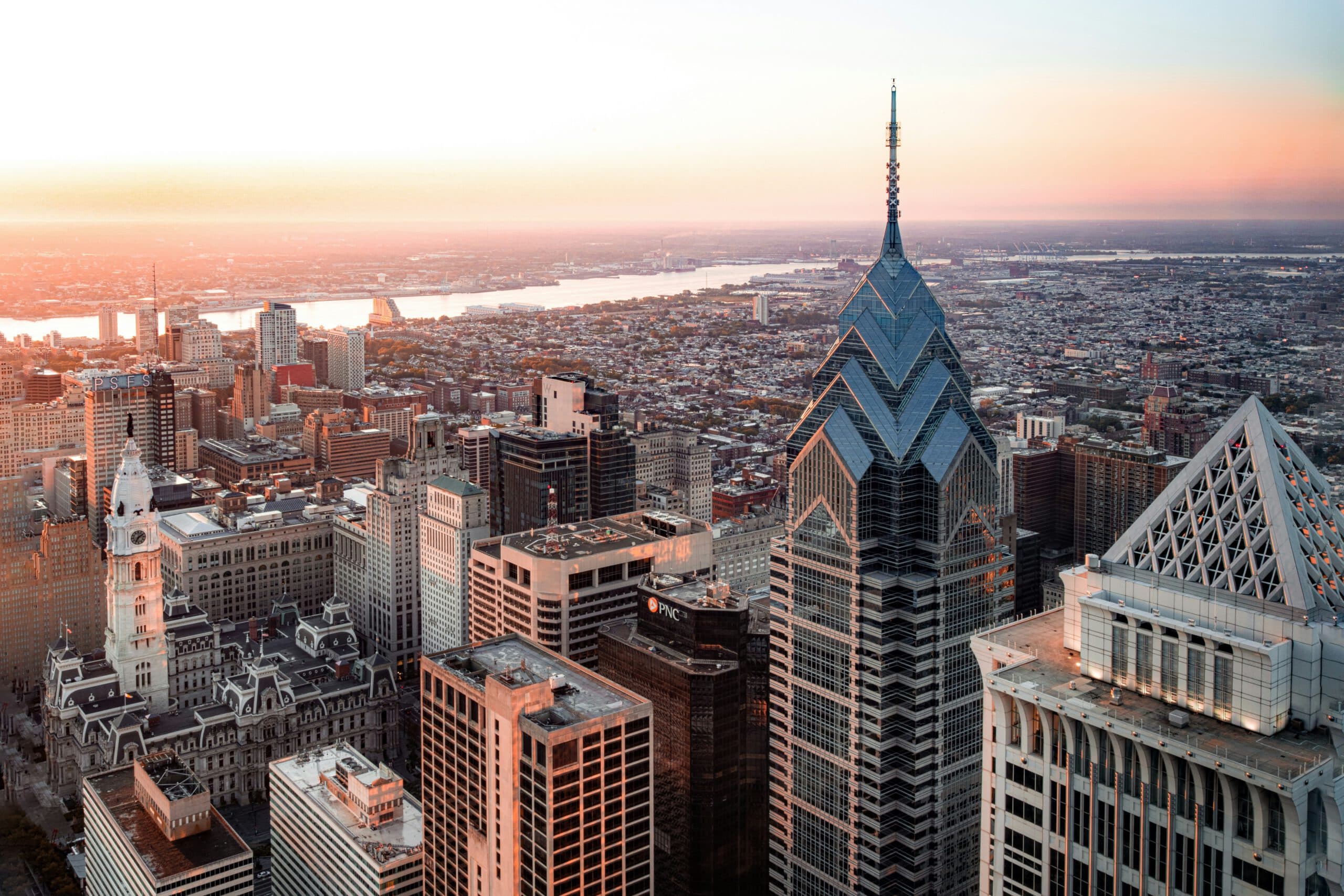
Philadelphia: A Local City Guide Beyond the World Cup
The City Beyond the Stadium
Philadelphia will welcome the world for the FIFA World Cup 2026, but the real character of the city lives far beyond matchday logistics. This is a place where neighborhoods matter, where history blends into everyday life, and where locals still claim their favorite corner bar, park bench, or coffee shop as part of who they are.
This guide is not about ticking landmarks off a list. It’s about understanding how Philadelphia feels during a global event—how to move through it, where to slow down, and how to experience the city as residents do. Think of it as the B-Sides of a World Cup host city: less polished, more human, and far more memorable.
Neighborhoods Worth Exploring
Fishtown
Vibe: Creative, energetic, proudly local
Why it shines during big events: Late-night energy, walkable streets, and a strong sense of community
Best for: Food lovers, music fans, nightlife explorers
Fishtown has become one of the city’s most dynamic neighborhoods without losing its edge. Old row houses sit next to modern cafés, record stores, and live-music venues. During major events, it feels alive but not overwhelmed—locals still dominate the scene, which keeps it authentic.
Northern Liberties
Vibe: Relaxed, design-forward, social
Why it shines during big events: Open spaces, casual bars, easy conversations
Best for: Chill travelers, couples, casual drinkers
Just south of Fishtown, Northern Liberties offers a softer pace. Breweries, wine bars, and green spaces make it ideal for unwinding between matches. It’s a place to sit outside, people-watch, and feel part of the neighborhood rather than a visitor passing through.
Center City (West & East)
Vibe: Urban core with distinct micro-scenes
Why it shines during big events: Central access, walkability, cultural density
Best for: First-time visitors, walkers, culture seekers
Center City isn’t one neighborhood—it’s many stitched together. West of Broad Street feels more residential and café-oriented, while the east leans historic and lively. During global events, this area becomes a crossroads of locals, visitors, and everyday city life.
South Philly (East Passyunk Area)
Vibe: Traditional, food-driven, deeply local
Why it shines during big events: Independent restaurants, neighborhood pride
Best for: Serious eaters, slow explorers
South Philly remains one of the city’s most authentic zones. Around East Passyunk Avenue, you’ll find family-run eateries, bakeries, and bars where accents are thick and opinions are stronger. It’s not flashy—and that’s exactly why it works.
Food, Drinks & Local Spots
Philadelphia’s food scene is rooted in everyday places, not white tablecloths. Locals value consistency, personality, and price.
You’ll notice:
- Corner cafés where baristas know regulars by name
- Neighborhood bars that double as community hubs
- Markets where lunch happens standing up, not seated
Food here is social. Expect conversations at the bar, shared tables, and recommendations from strangers. Prices remain reasonable by major-US-city standards, especially outside the most central areas.
Culture, Walks & Urban Experiences
Philadelphia rewards walking. Many of its best experiences happen without tickets or schedules.
- Urban walks: River paths, historic streets, and residential blocks offer insight into daily life
- Parks: Large green spaces act as informal meeting points for locals
- Light culture: Small museums, galleries, and cultural centers that fit into a free afternoon
Most experiences take one to three hours—perfect between matches or on rest days.
How to Move Around the City Like a Local
Philadelphia is one of the most walkable major cities in the U.S., especially within central neighborhoods.
Public Transport
- Subway and trolley system covers most key areas
- Single ride: approx. USD 2.50
- Weekly passes offer good value for visitors
Ride-Sharing
- Widely available and affordable compared to other US cities
- Useful late at night or across neighborhoods
Walking
- Often the fastest option in Center City and nearby areas
- Streets are generally well-marked and navigable
Tip: Locals walk with purpose. If you’re unsure where you’re going, step aside rather than stopping mid-sidewalk.
Safety & Practical Tips for Visitors
Philadelphia is a real city—vibrant, friendly, and occasionally rough around the edges.
General safety
- Stick to active, well-lit areas at night
- Avoid wandering aimlessly far from central neighborhoods
Recommended areas to stay
- Center City
- Old City
- Rittenhouse area
- Parts of Fishtown and Northern Liberties
Local attitude
- Direct, honest, not unfriendly
- Confidence goes a long way
Emergency number: 911
Budget Snapshot – Daily City Life (Outside the Stadium)
Budget traveler
- Food: USD 25–35
- Transport: USD 8–10
- Activities: Free–USD 10
Total: ~USD 35–55/day
Comfortable
- Food: USD 40–60
- Transport: USD 10–15
- Activities: USD 15–25
Total: ~USD 65–100/day
Premium-light
- Food: USD 70–90
- Transport: USD 20
- Activities: USD 30–40
Total: ~USD 120–150/day
Why This City Is Worth Staying Longer
Philadelphia doesn’t try to impress—it invites you to pay attention. The longer you stay, the more it opens up: conversations get warmer, streets feel familiar, and routines start to form.
As a World Cup host, it delivers infrastructure and energy. As a city, it offers something deeper—a sense of place shaped by people who genuinely live here. Stay an extra day or two, and Philadelphia stops being a host city and starts feeling like your city, even if just for a while.