

Monterrey: A Local City Guide Beyond the World Cup
The City Beyond the Stadium
Monterrey will welcome the world during the FIFA World Cup 2026, but the real character of the city lives far beyond matchday schedules and stadium crowds. This guide is designed for travelers who come for football yet stay for the city itself — its everyday rhythms, its social spaces, and its distinct northern Mexican identity.
This is not a checklist of tourist landmarks. It’s a local-focused, urban companion for international visitors who want to understand how Monterrey feels when people finish work, meet friends, eat late, and enjoy the city between games. Think of it as the B-side to the World Cup soundtrack: less obvious, more authentic, and far more memorable.
Neighborhoods Worth Exploring
Barrio Antiguo
Vibe: Historic, creative, social
Why it shines during big events: Walkable streets, spontaneous nightlife, live music and pop-up cultural events
Best for: Nightlife seekers, culture lovers, social travelers
Barrio Antiguo is where Monterrey loosens its tie after dark. Colonial-era streets host bars, art spaces, and small venues where locals gather on weekends. During global events, the area becomes a natural meeting point for visitors and residents alike, without losing its edge.
San Pedro Garza García
Vibe: Polished, modern, cosmopolitan
Why it shines during big events: Reliable dining, safe walkability, late-night cafés and bars
Best for: Comfortable stays, business travelers, food-focused visitors
Often considered Monterrey’s most upscale zone, San Pedro isn’t about luxury tourism — it’s about quality of life. Locals come here for well-run restaurants, calm streets, and reliable transport options, especially useful for visitors who want smooth logistics between activities.
Centro Monterrey
Vibe: Urban core, everyday city life
Why it shines during big events: Central location, plazas, museums, local crowds
Best for: First-time visitors, urban explorers
Centro is where Monterrey’s daily life is most visible. Office workers, students, street vendors, and families all share the same spaces. It’s less curated than other areas, but that’s exactly its value if you want to see the city as it functions.
Contry / Tec Area
Vibe: Youthful, relaxed, local
Why it shines during big events: Affordable food, cafés, walkable streets
Best for: Students, budget-conscious travelers, casual explorers
Around the university zones, Monterrey feels younger and less formal. You’ll find coffee shops, casual eateries, and a slower pace — perfect for afternoons without matches or mornings after a late night.
Food, Drinks & Local Spots
Monterrey’s food culture is bold, social, and unpretentious. Locals eat late, often in groups, and value consistency over trends.
- Street food: Tacos, grilled meats, late-night food stands near nightlife areas
- Markets & casual eateries: Affordable meals where office workers and students eat daily
- Bars & cafés: Social spaces over “concept” venues — places to talk, not pose
Expect honest prices, generous portions, and lively conversation. If a place is loud and full on a weekday, it’s usually worth your time.
Culture, Walks & Urban Experiences
These are experiences that fit naturally between matches or during free afternoons.
- Macroplaza walks: A relaxed urban walk connecting museums, public art, and local life
- Santa Lucía Riverwalk: A calm, scenic route ideal for a 1–2 hour stroll
- Local museums: Compact, accessible, and culturally focused rather than overwhelming
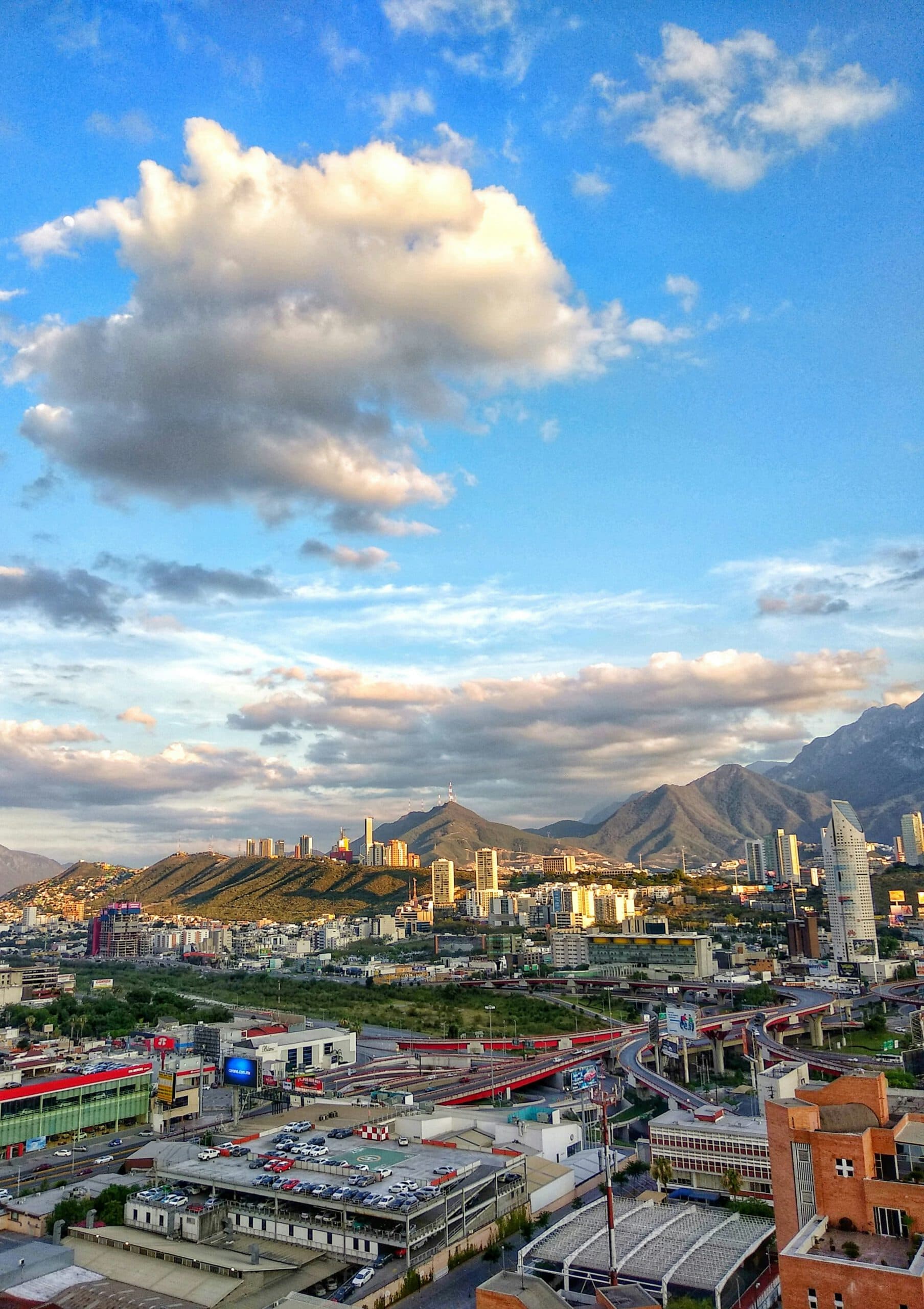
- Urban viewpoints: Short visits that offer perspective on Monterrey’s dramatic mountain backdrop
None of these require a full day — they’re designed to complement a match-centered schedule.
How to Move Around the City Like a Local
- Metro: Clean, affordable, and useful for central routes
- Buses: Extensive but less intuitive for non-Spanish speakers
- Ride-sharing: Widely used, reliable, and practical for visitors
- Walking: Feasible in specific neighborhoods like Barrio Antiguo and San Pedro
Typical costs (USD):
- Metro or bus: ~$0.50–$1.00
- Short ride-share trips: ~$4–$8
Locals mix transport methods depending on time and distance — flexibility is key.
Safety & Practical Tips for Visitors
Monterrey is a working city, not a resort — awareness matters.
- Recommended areas to stay: San Pedro, Tec area, parts of Centro
- What to avoid: Isolated streets late at night, poorly lit areas outside main zones
- Local attitude: Confident, calm, respectful — avoid drawing unnecessary attention
- Emergency number: 911
Stick to active areas, trust common sense, and follow where locals go.
Budget Snapshot – Daily City Life (Outside the Stadium)
Budget traveler
- Food: $10–15
- Transport: $3–5
- Activities: $0–5
Daily total: ~$15–25
Comfortable traveler
- Food: $20–30
- Transport: $6–10
- Activities: $5–10
Daily total: ~$35–50
Premium-light (no extreme luxury)
- Food: $40–60
- Transport: $10–15
- Activities: $10–20
Daily total: ~$60–90
Why This City Is Worth Staying Longer
Monterrey rewards curiosity. It’s a city of strong character, shaped by work, geography, and community rather than spectacle. Staying a few extra days allows you to see how global events intersect with real life — where football becomes just one part of a much larger story.
If the World Cup brings you here, Monterrey itself is what will make you want to stay.