

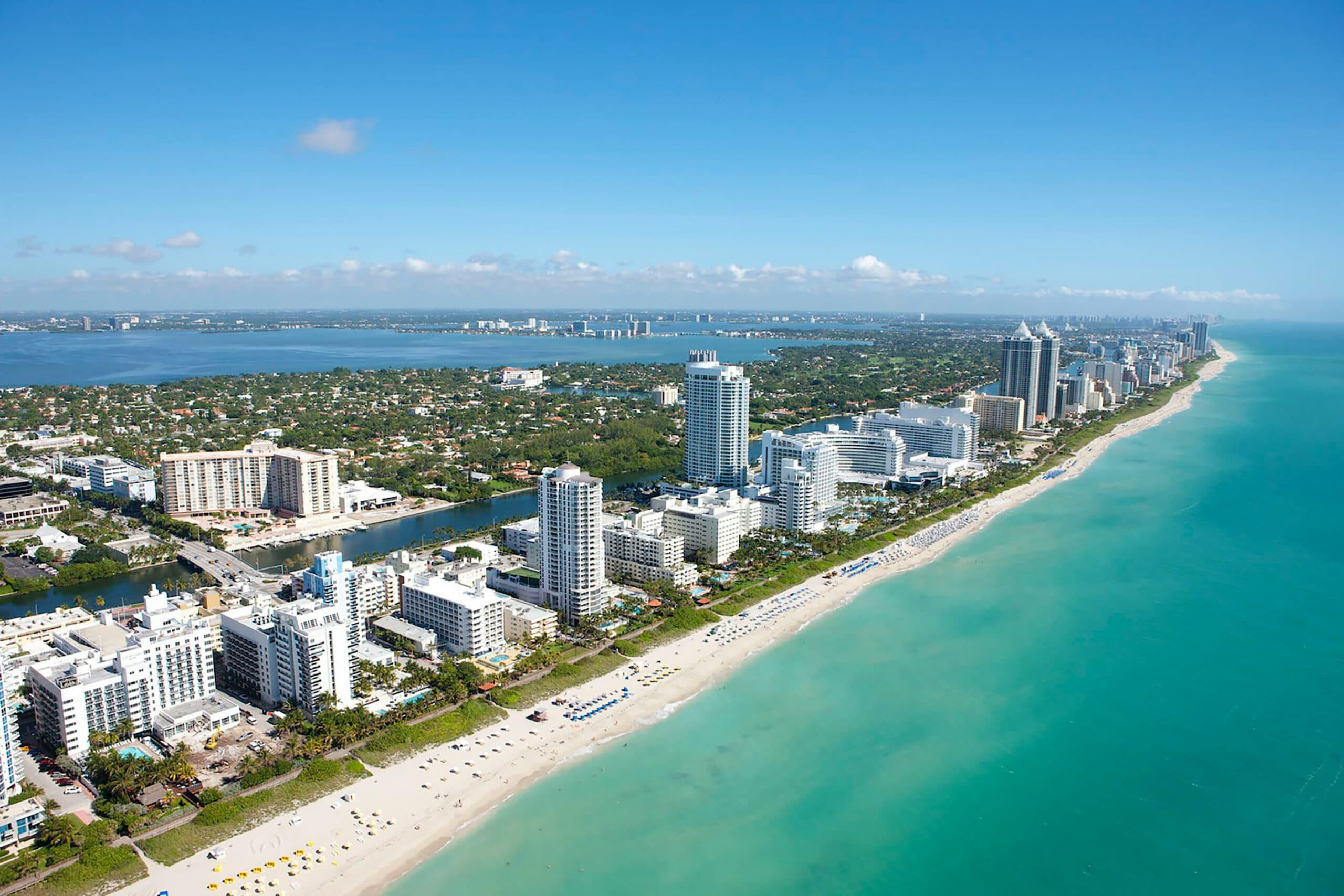
Miami: A Local City Guide Beyond the World Cup
The City Beyond the Stadium
As one of the host cities for the FIFA World Cup 2026, Miami will welcome thousands of international visitors drawn by football, sun, and spectacle. But beyond matchdays and fan zones, Miami reveals itself through neighborhoods, food counters, late-night conversations, and streets where cultures overlap naturally.
This guide is not about highlights you can find anywhere else. It’s about how Miami actually feels when you move through it slowly—between games, before kickoff, or after the crowds thin out. Think local rhythms, everyday spaces, and the kind of places residents return to even during the busiest global events.
Neighborhoods Worth Exploring
Little Havana
Vibe: Cultural, musical, unapologetically local
Why it shines during big events: It stays authentic even when the city fills up
Best for: Culture lovers, coffee drinkers, walkers
Little Havana isn’t staged—it’s lived in. Domino games at Máximo Gómez Park, Cuban coffee windows, and live music drifting out of small bars make this neighborhood a grounding counterpoint to the World Cup energy elsewhere.
Wynwood
Vibe: Creative, social, street-level
Why it works during the World Cup: Easy to meet people, constant movement
Best for: Art fans, nightlife seekers, casual explorers
Wynwood is loud in color but relaxed in attitude. Murals change constantly, breweries stay busy, and most places are walkable—ideal for a half-day between matches.
Coconut Grove
Vibe: Green, calm, coastal
Why it matters during events: A break from intensity
Best for: Slow travelers, couples, café people
Tree-lined streets and waterfront parks give Coconut Grove a small-town feel inside a major city. It’s where Miami exhales.
Little Haiti
Vibe: Artistic, resilient, community-driven
Why it’s special: Culture without performance
Best for: Curious travelers, food explorers
Little Haiti offers galleries, Caribbean food, and local markets that rarely adjust themselves for visitors—which is exactly why it’s worth visiting.
Food, Drinks & Local Spots
Miami eats casually and socially. The best meals often come from counters, bakeries, or places with plastic chairs.
- Cuban coffee windows in Little Havana: strong, cheap, communal
- Caribbean bakeries in Little Haiti: patties, griot, fresh bread
- Taco trucks & casual Latin kitchens around Wynwood and Downtown
- Local breweries: informal, friendly, and often hosting pop-up food vendors
Expect real prices:
- Coffee: USD 2–4
- Street food / casual meals: USD 8–15
- Local beer: USD 6–8
Culture, Walks & Urban Experiences
These are easy to fit into a day without planning your entire schedule around them:
- Wynwood walking loop (1–2 hours): murals, cafés, galleries
- Bayfront or waterfront walks (sunset-friendly, flat, relaxing)
- Small museums & cultural centers (light, air-conditioned, informative)
- Neighborhood parks for people-watching and recovery days
Perfect for off-days or mornings before evening matches.
How to Move Around the City Like a Local
Miami isn’t one-size-fits-all for transport, but it’s manageable.
- Metro + Metromover: Limited coverage but useful downtown
- Buses: Reliable, cheap, slower
- Ride-sharing (Uber/Lyft): Most practical option
- Walking: Ideal inside neighborhoods, not between them
Approximate costs:
- Bus / Metro: USD 2.25 per ride
- Ride-share (short trips): USD 8–15
Tip: Stay within one neighborhood per outing to avoid long transit times.
Safety & Practical Tips for Visitors
Miami is generally safe in active areas, especially during large events.
Good practices:
- Stay in lively, well-lit zones
- Avoid wandering unfamiliar areas late at night
- Use ride-sharing instead of long walks after dark
Emergency number: 911
Locals appreciate relaxed confidence—be friendly, direct, and respectful.
Budget Snapshot – Daily City Life (Outside the Stadium)
Budget traveler (USD 50–70/day):
- Street food, buses, walking, free cultural spaces
Comfortable (USD 90–120/day):
- Casual restaurants, ride-sharing, cafés, museums
Premium-light (USD 150–180/day):
- Waterfront dining, frequent ride-shares, curated experiences
Why This City Is Worth Staying Longer
Miami isn’t just a host—it’s a crossroads. Languages mix, music overlaps, and everyday life continues even when the world is watching. Staying an extra few days lets you see the city not as a venue, but as a living place shaped by migration, climate, and creativity.
The World Cup may bring you here. Miami itself is the reason to stay.