
Mexico City: A Local City Guide Beyond the World Cup
The City Beyond the Stadium
Mexico City may be welcoming the world for the FIFA World Cup 2026, but the true soul of the city lives far beyond matchdays and stadium gates. This guide is designed for travelers who arrive for football and stay for everything else: the everyday rhythms, the neighborhoods where locals gather, the food eaten standing up, and the cultural spaces woven into daily life.
Think of this as a B-Sides city guide — a companion to the World Cup experience that helps you understand how the city actually works, moves, eats, and breathes during a global event. It’s written for curious, respectful visitors who want authenticity without needing a tour bus.
Neighborhoods Worth Exploring
Roma Norte
Creative, walkable, and socially vibrant, Roma Norte becomes a natural hub during international events. Cafés double as workspaces by day and casual bars by night. It’s ideal for visitors who enjoy design, food culture, and a relaxed but energetic pace.
Best for: Food lovers, café culture fans, first-time visitors
Why it works during big events: Central, social, and easy to navigate on foot
Condesa
Leafy streets, Art Deco buildings, and constant motion define Condesa. Locals use its parks as living rooms, especially in the afternoons. During the World Cup, it stays lively without feeling chaotic.
Best for: Walkers, nightlife without clubs, relaxed evenings
Why it works: Parks, bars, and restaurants cluster naturally
Coyoacán
Slower, more traditional, and deeply cultural. Cobblestone streets, plazas, and a strong neighborhood identity make Coyoacán perfect for a half-day escape from the city’s intensity.
Best for: Culture seekers, quieter mornings
Why it works: Self-contained, pedestrian-friendly, and atmospheric
Centro Histórico
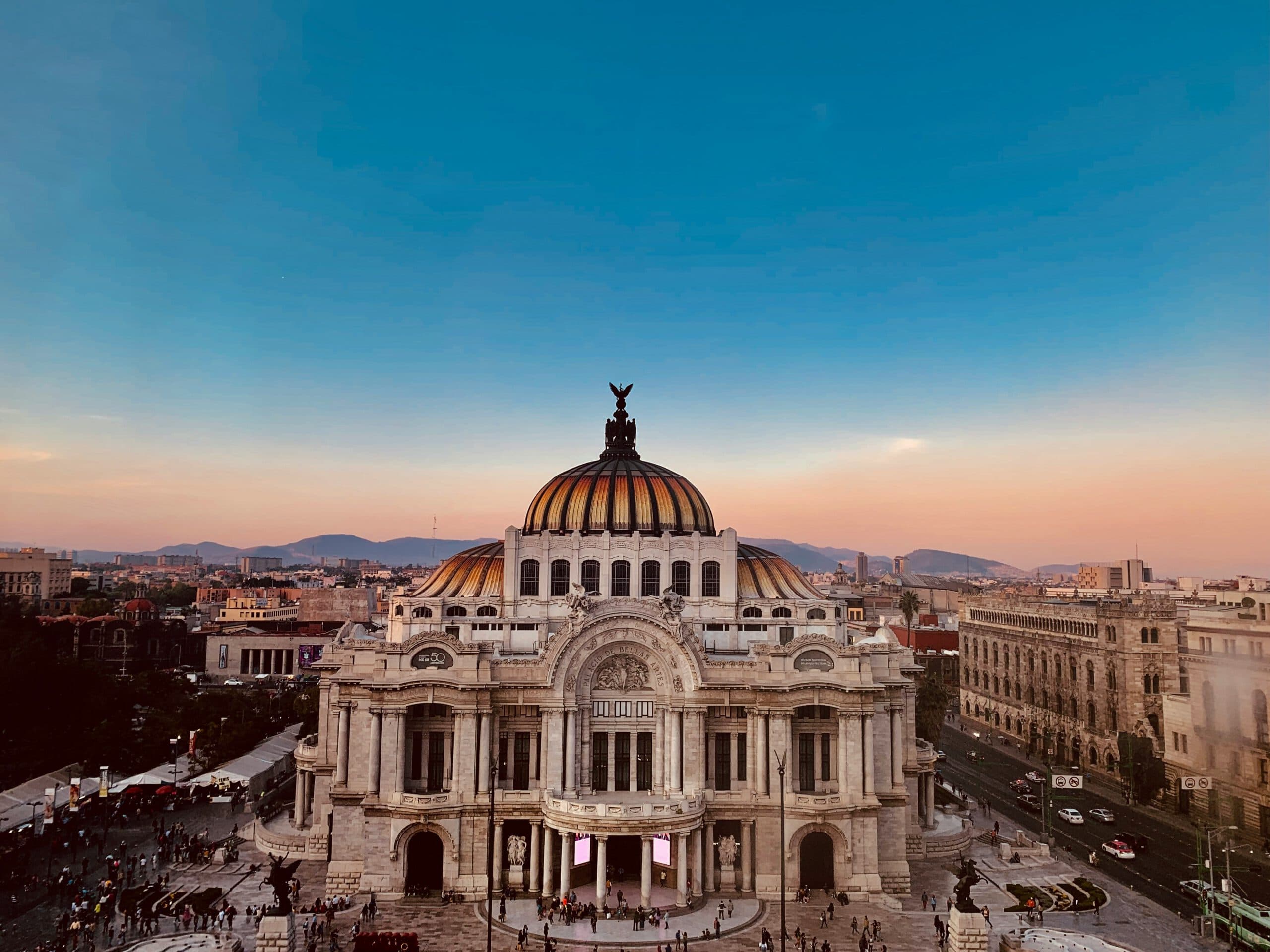
The historic heart of the city blends monumental architecture with daily commerce. Beyond the famous landmarks, side streets reveal bookstores, cantinas, and food stalls that locals rely on.
Best for: Urban explorers, architecture fans
Why it works: Everything is close — history and real life overlap
Food, Drinks & Local Spots
Mexico City’s food culture is inseparable from its streets. Locals eat well, often, and without ceremony.
Street tacos, quesadillas, tamales, and tortas dominate daily life. Markets offer affordable, high-quality meals and are social spaces as much as food destinations. Coffee culture is strong, especially in Roma and Condesa, where independent cafés serve as informal meeting points.
Bars range from standing-room mezcalerías to neighborhood cantinas where conversation matters more than décor. Prices remain reasonable, and tipping is modest compared to U.S. standards.
What to look for:
- Busy stalls with short menus
- Places where locals eat standing up
- Cafés filled with laptops and conversations
Culture, Walks & Urban Experiences
Between matches, the city rewards short, flexible experiences.
Urban walks through tree-lined avenues or historic corridors take one to two hours and require little planning. Large parks offer a pause from density, while smaller museums provide cultural context without demanding an entire day.
Rooftop viewpoints and public plazas become natural gathering spaces in the evenings, especially when international crowds mix with locals watching matches or simply enjoying the city.
Ideal time commitment: 1–3 hours
Best moments: Late mornings, golden hour, early evenings
How to Move Around the City Like a Local
Mexico City is vast but manageable.
The metro is fast, inexpensive, and extensive, though crowded at peak hours. Ride-sharing apps are widely used and affordable by U.S. standards. Walking is viable within neighborhoods like Roma, Condesa, and Centro Histórico.
Approximate costs:
- Metro ride: under $0.50 USD
- Ride-share (short trips): $4–8 USD
Tips:
- Avoid rush hour if possible
- Use official ride-share apps
- Keep phones secure in crowded spaces
Safety & Practical Tips for Visitors
Mexico City is generally safe in well-trafficked areas, especially neighborhoods popular with locals and visitors.
Recommended areas to stay: Roma, Condesa, parts of Polanco, Coyoacán
What to avoid: Empty streets late at night, unlicensed taxis
Local attitude: Confident, aware, not flashy
Emergency number: 911
Budget Snapshot – Daily City Life
Budget traveler:
- Food: $15–20
- Transport: $3–5
- Activities: $5–10
Comfortable traveler:
- Food: $25–35
- Transport: $8–12
- Activities: $10–20
Premium-light:
- Food: $40–55
- Transport: $15–20
- Activities: $20–30
(All prices in USD)
Why This City Is Worth Staying Longer
Mexico City isn’t a place you “check off.” It’s a city that reveals itself gradually — through conversations, repeated walks, favorite cafés, and shared moments during global events like the World Cup.
Stay a few extra days. Watch how locals reclaim their routines after matchday crowds fade. That’s when the city truly shows you why it’s one of the world’s great urban experiences.