

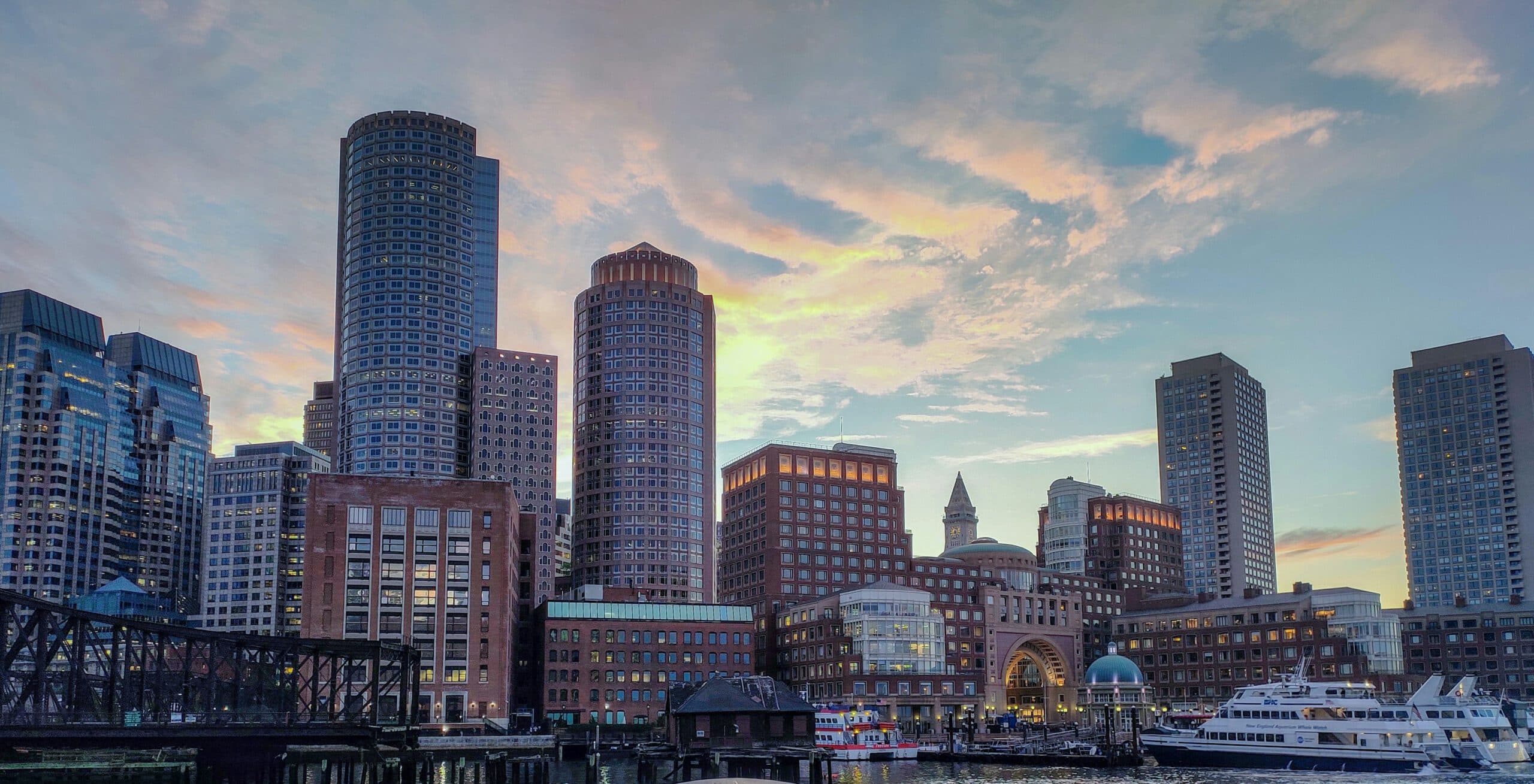
Boston: A Local City Guide Beyond the World Cup
The City Beyond the Stadium
Boston may be stepping onto the global stage as a FIFA World Cup 2026 host city, but its real character lives far beyond matchdays and venues. This is a city built on neighborhoods, habits, conversations, and daily rituals—where history blends naturally with modern urban life.
This guide is designed for international visitors who came for football but want to experience Boston the way locals do: walking between neighborhoods, lingering in cafés, discovering low-key bars, and understanding the rhythm of the city between matches. Think of it as Boston’s B-side soundtrack—less obvious, more authentic.
Neighborhoods Worth Exploring
South End
Vibe: Creative, residential, quietly vibrant
Why it works during big events: Calm streets with excellent food access when downtown gets crowded
Best for: Food lovers, design enthusiasts, relaxed evenings
Known for its brownstone-lined streets and small independent restaurants, the South End feels lived-in and human. It’s the kind of place where locals actually dine out on weeknights and where you can wander without an agenda.
Cambridge (Harvard & Central Square area)
Vibe: Intellectual, diverse, energetic
Why it works during big events: Lively but not chaotic; strong public transit connections
Best for: Culture seekers, bookstores, live music fans
Cambridge has a constant buzz driven by students, academics, and creatives. Central Square in particular offers a rawer, more local feel compared to the polished university image.
Jamaica Plain
Vibe: Green, community-focused, progressive
Why it works during big events: A slower pace with easy access to nature
Best for: Walkers, café culture, outdoor lovers
JP feels like a small town within the city. It’s perfect if you want to decompress between matches and see how Bostonians live day to day.
East Boston
Vibe: Waterfront, multicultural, underrated
Why it works during big events: Incredible skyline views without downtown prices
Best for: Photographers, sunset walkers, Latin food fans
Often overlooked by visitors, East Boston delivers some of the city’s best views and most honest food, shaped by immigrant communities and daily life.
Food, Drinks & Local Spots
Boston’s real food scene lives away from white tablecloths and celebrity chefs.
- Neighborhood bakeries & cafés: Expect good coffee, strong opinions, and regulars who know each other.
- Casual seafood spots: Fresh, unfussy, and reasonably priced—especially outside tourist zones.
- Local bars: Dim lighting, simple menus, strong pours. Many double as community hubs.
What locals value: consistency, comfort, and conversation—not trends.
Typical prices:
- Coffee: USD 4–6
- Casual lunch: USD 12–18
- Dinner with drinks: USD 25–40
Culture, Walks & Urban Experiences
Perfect for a free afternoon or a non-match day:
- Neighborhood walks: Boston is compact and deeply walkable. Wandering is encouraged.
- Parks & green spaces: Ideal for a reset after crowded events.
- Small museums & cultural centers: Easy to enjoy in under two hours without mental overload.
- Waterfront paths: Calm, scenic, and surprisingly local once you move away from main attractions.
These experiences fit naturally into a World Cup schedule without feeling like “tourism homework.”
How to Move Around the City Like a Local
Boston is best navigated simply.
- Public transit (MBTA): Subway and buses cover most daily needs.
- Single ride: ~USD 2.40
- Day pass: ~USD 11
- Walking: Often faster than transit in central areas.
- Ride-sharing: Useful late at night or for crossing neighborhoods not directly connected.
Local tip: Don’t overplan routes. Boston rewards flexibility and short walks.
Safety & Practical Tips for Visitors
Boston is generally safe, especially in residential and central neighborhoods.
- Good areas to stay: South End, Back Bay, Cambridge, Jamaica Plain
- Be mindful at night: Around isolated transit stations and very late hours downtown
- Local attitude: Polite, direct, not overly chatty—but helpful if approached respectfully
- Emergency number: 911
Budget Snapshot – Daily City Life (Outside the Stadium)
Budget traveler (USD 50–70/day):
- Transit pass
- Casual food, bakeries, street eats
- Free parks & walks
Comfortable traveler (USD 90–130/day):
- Mix of transit and ride-share
- Sit-down meals, cafés, small museums
Premium-light traveler (USD 160–220/day):
- Ride-sharing as default
- Quality dining without luxury excess
- Cultural experiences and waterfront time
Why This City Is Worth Staying Longer
Boston isn’t loud about itself. It doesn’t perform for visitors—it invites them to adapt. Stay a few extra days and the city opens up: familiar faces at cafés, favorite walking routes, local habits that start to feel like your own.
The World Cup may bring you here, but Boston’s everyday life is what stays with you.