

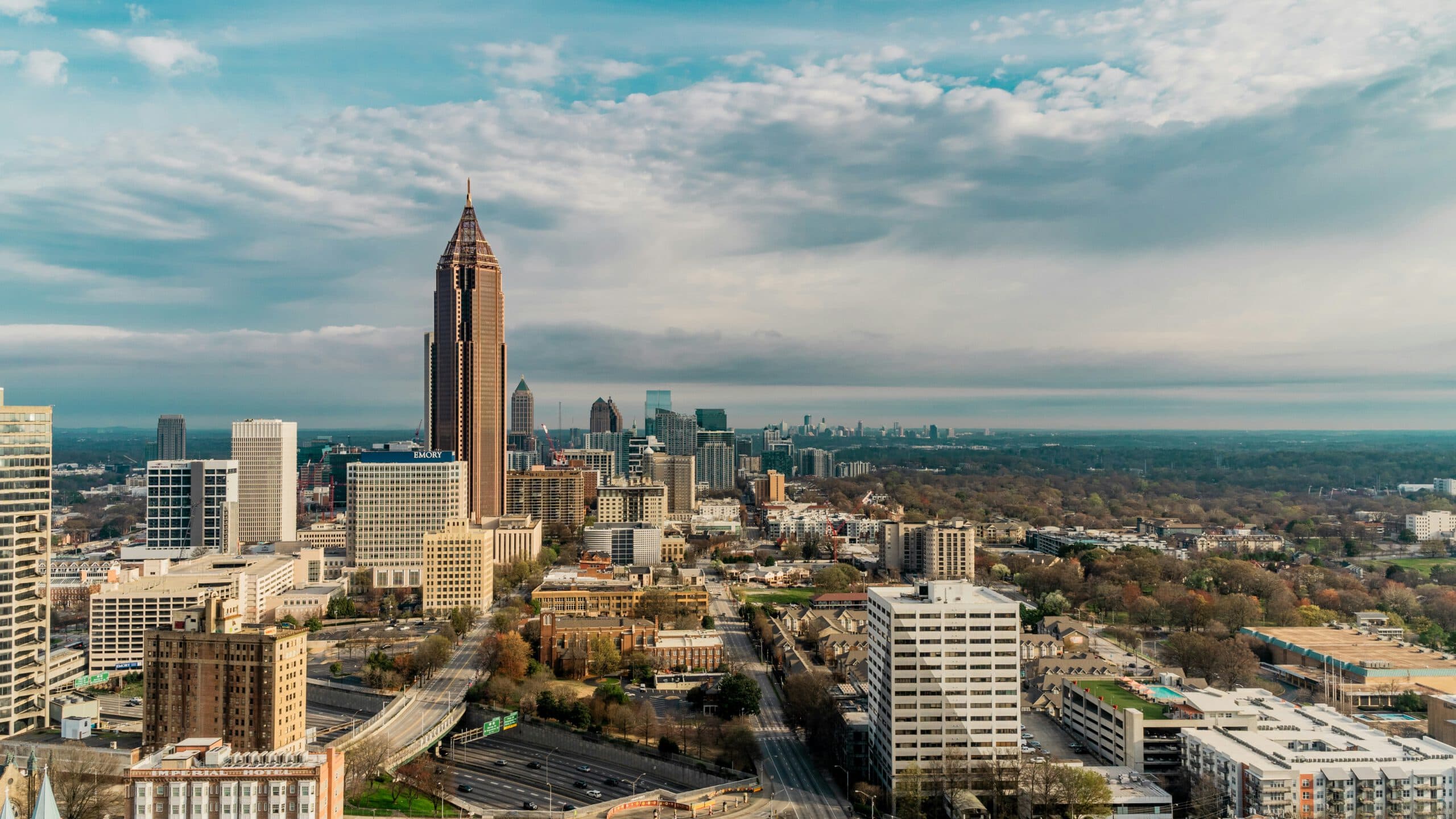
Atlanta: A Local City Guide Beyond the World Cup
The City Beyond the Stadium
Atlanta will welcome the world during the FIFA World Cup 2026, but the real character of the city lives well beyond matchdays and stadium gates. This guide is not about ticking landmarks off a list — it’s about understanding how Atlanta moves, eats, socializes, and unwinds when the crowds thin out.
Designed for international visitors who arrive for football but stay for the city, this B-Sides guide focuses on local neighborhoods, everyday rituals, and urban experiences that feel authentic, lived-in, and approachable. Think less “tour bus,” more “afternoon coffee that turns into a night out.”
Neighborhoods Worth Exploring
Old Fourth Ward
A creative, walkable area where Atlanta’s past and present meet. Converted warehouses, public art, and green spaces give it a relaxed but energetic feel. During big events, it becomes a social hub without losing its local rhythm.
Best for: Urban explorers, casual walkers, creative types.
Inman Park
Leafy streets, historic homes, and one of the city’s strongest food scenes. Inman Park balances calm mornings with lively evenings, making it ideal for visitors who want atmosphere without chaos.
Best for: Food lovers, couples, slow travelers.
East Atlanta Village
Raw, unpolished, and proudly local. Music venues, dive bars, and late-night food spots define the area. During international events, it attracts visitors who want to experience Atlanta’s nightlife without pretension.
Best for: Nightlife seekers, music fans.
West Midtown
An industrial area turned design-forward neighborhood. Galleries, breweries, and wide sidewalks make it easy to spend a few hours wandering. It feels modern but grounded.
Best for: Design lovers, casual daytime exploration.
Little Five Points
Eclectic and alternative, with vintage shops, murals, and a countercultural vibe. It’s one of the few places where Atlanta feels openly eccentric.
Best for: Culture seekers, independent travelers.
Food, Drinks & Local Spots
Atlanta’s food culture is casual, social, and rooted in everyday habits rather than formal dining.
Expect:
- Neighborhood cafés where people work, chat, and linger
- Southern comfort food served without ceremony
- Bars that double as community spaces
Street food and casual counters dominate, especially for lunch and late nights. Prices remain accessible compared to other major US cities, and tipping (15–20%) is standard.
The city shines in:
- Fried chicken and Southern classics
- International comfort food (Mexican, Caribbean, Korean)
- Craft beer and low-key cocktail bars
You’ll rarely need reservations — locals value spontaneity.
Culture, Walks & Urban Experiences
These experiences fit easily between matches or on rest days.
- Atlanta BeltLine walks: Sections of the BeltLine connect neighborhoods, art installations, and cafés. One to two hours is enough to get a feel for the city.
- Neighborhood parks: Smaller parks double as social spaces, especially in the afternoon.
- Light museums & galleries: Focused, digestible, and rarely overwhelming.
- Street art routes: Murals tell modern Atlanta stories better than plaques.
Most experiences are flexible and informal — perfect for travelers without strict schedules.
How to Move Around the City Like a Local
Atlanta is spread out, but moving around is straightforward.
- Public transport: MARTA trains and buses are affordable and reliable for main corridors.
- Ride-sharing: Widely used and often the fastest option, especially at night.
- Walking: Best within neighborhoods rather than between them.
Approximate costs:
- Metro ride: $2.50
- Short ride-share: $10–18
- Daily transport average: $10–20
Locals mix transport methods depending on time and mood.
Safety & Practical Tips for Visitors
Atlanta is generally safe, especially in well-known neighborhoods.
Tips:
- Stay aware at night, particularly when walking alone.
- Use ride-sharing late instead of empty streets.
- Choose accommodations near active areas rather than isolated zones.
Emergency number: 911
Local attitude: Polite, direct, and informal. A friendly tone goes a long way.
Budget Snapshot – Daily City Life
Budget traveler
- Food: $25–35
- Transport: $10
- Activities: $10–15
Total: ~$50–60/day
Comfortable
- Food: $45–60
- Transport: $15–20
- Activities: $20
Total: ~$80–100/day
Premium-light
- Food: $70–90
- Transport: $25
- Activities: $30
Total: ~$130–150/day
(Excludes match tickets and accommodation.)
Why This City Is Worth Staying Longer
Atlanta reveals itself gradually. It’s not a city that performs for visitors — it invites them in. The conversations feel unforced, the food feels personal, and the neighborhoods reward curiosity.
The World Cup brings the spotlight, but Atlanta’s real value lies in the days between matches: the walks, the meals, the unexpected nights out. Stay a little longer, and the city stops feeling like a host — and starts feeling like a place you understand.