

Vancouver and the 2026 FIFA World Cup: Where the Pacific Meets the Global Game
Introduction
In 2026, Vancouver will step onto the world stage as a FIFA World Cup host city, welcoming fans from every corner of the globe. Known for its seamless blend of urban energy and Pacific Coast spirit, Vancouver brings a distinctive football atmosphere to the tournament—international, inclusive, and built for celebration. For visiting supporters, the city promises a World Cup experience that extends far beyond the final whistle, with matchdays unfolding across stadium gates, fan zones, and vibrant watch-party districts.
Why Vancouver Is a Key Host City
Vancouver was selected for the 2026 FIFA World Cup thanks to its proven ability to host large-scale international events, its efficient transportation network, and a compact, fan-friendly downtown core.
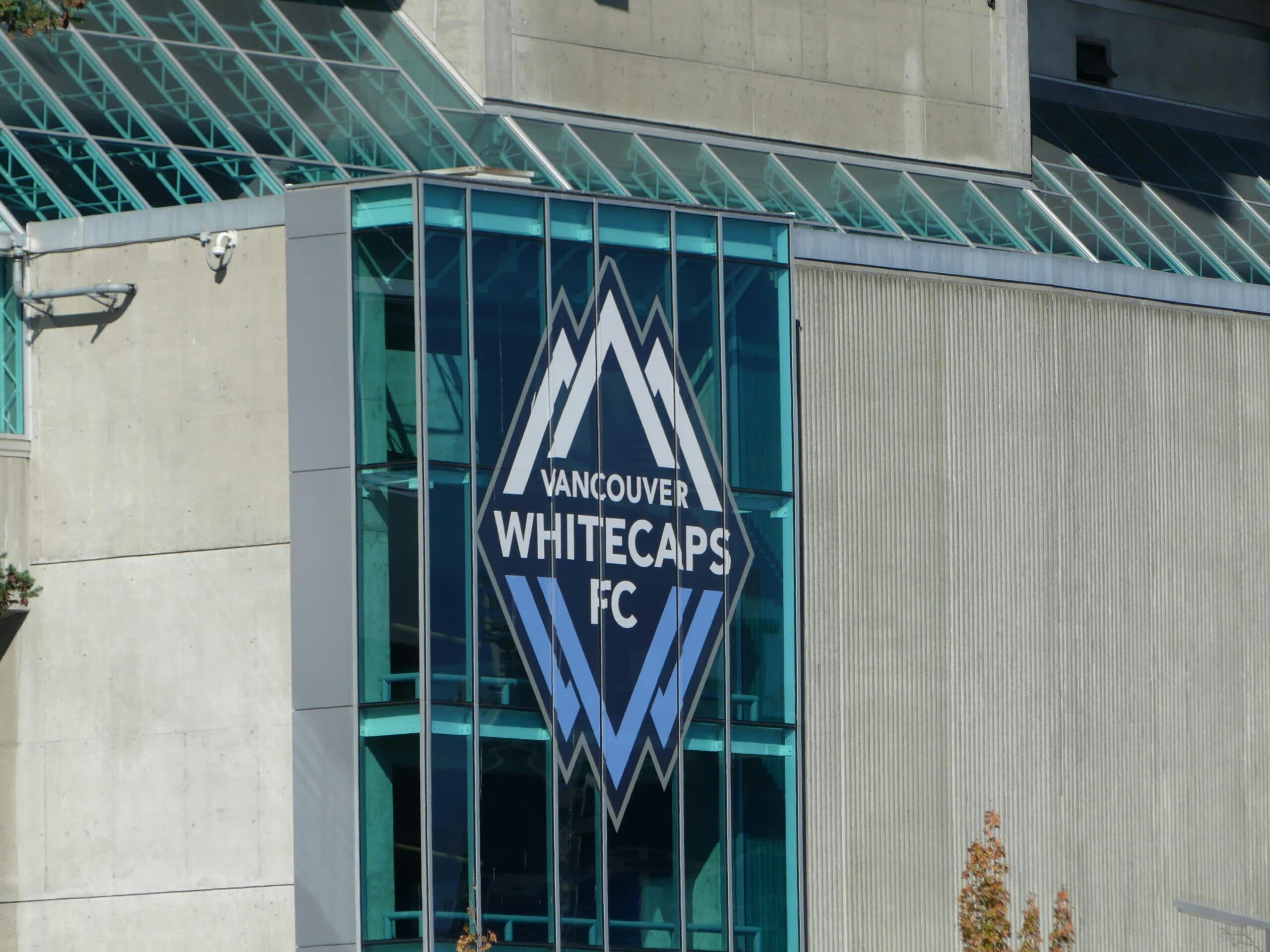
At the heart of the tournament is BC Place, one of Canada’s most iconic stadiums. With a capacity of roughly 54,000 seats, a retractable roof, and a central location near the waterfront, BC Place is purpose-built for global events. Its accessibility, modern facilities, and experience hosting major sporting spectacles make it a cornerstone venue for the World Cup in Canada.
A City Built for Fans
Vancouver’s football culture is shaped by its international population and long-standing love for the game. During the World Cup, the city is expected to transform into a continuous festival of football:
- Official fan zones near downtown and waterfront areas
- Public watch parties organized by local authorities and sponsors
- Sports bars and plazas filled with supporters from multiple nations
- A matchday atmosphere that runs all day—before, during, and after kickoff
For fans, this means the World Cup experience doesn’t end when you leave the stadium. Vancouver is designed for social viewing, spontaneous celebrations, and shared moments with fellow supporters.
Economic and Cultural Impact
Hosting the FIFA World Cup 2026 will generate a significant economic boost for Vancouver, driving demand across hotels, restaurants, transport services, and entertainment venues. Local businesses—from neighborhood pubs to international brands—are expected to benefit from sustained visitor traffic throughout the tournament.
Culturally, the event strengthens Vancouver’s identity as a global city. The World Cup leaves behind more than infrastructure upgrades; it reinforces grassroots football development, international visibility, and a long-term legacy tied to sport, community, and global connection.
Looking Ahead to 2026
As the countdown continues, Vancouver is positioning itself as one of the most welcoming and efficient host cities of the 2026 FIFA World Cup. For international fans, the city offers a rare combination: world-class football infrastructure, easy mobility, and a celebratory atmosphere that embraces the global nature of the tournament. In 2026, Vancouver won’t just host matches—it will host the world.