

San Francisco and the 2026 FIFA World Cup: Innovation, Energy, and the Global Game
Introduction
In 2026, San Francisco will play a central role in the biggest sporting event on the planet: the FIFA World Cup. As one of the most internationally connected cities in the United States, San Francisco represents a unique blend of global culture, technology-driven infrastructure, and a diverse fan base that lives and breathes major sporting events.
For international visitors, the Bay Area offers more than just matches—it delivers a full World Cup atmosphere shaped by multicultural communities, iconic venues, and a city used to hosting the world. During the tournament, San Francisco will become a global meeting point where football culture, innovation, and celebration converge.
Why San Francisco Is a Key Host City
San Francisco was selected as a host city thanks to its proven capacity to handle large-scale international events, its advanced transportation networks, and its global reputation as a welcoming, outward-looking city.
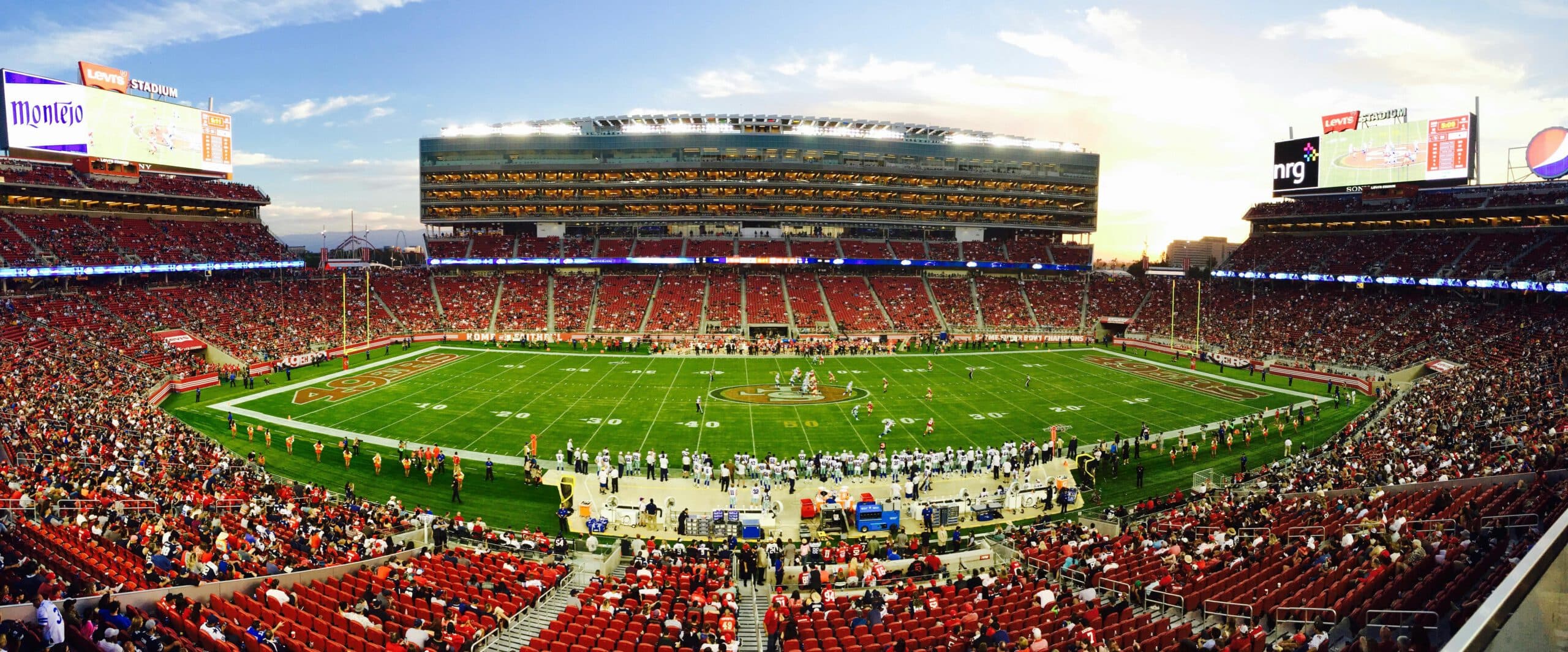
At the heart of the World Cup experience in the Bay Area is Levi’s Stadium, located in Santa Clara. With a capacity of approximately 68,500 spectators, the stadium is one of the most modern venues in North America and has already hosted events such as the Super Bowl and major international football matches.
Its cutting-edge design, media-ready infrastructure, and proximity to Silicon Valley make it an ideal stage for World Cup matches, international broadcasts, and global fan engagement.
A City Built for Fans
San Francisco is built for spectators. While matches take place at Levi’s Stadium, the city itself transforms into a football hub during major tournaments.
Across downtown neighborhoods, waterfront areas, and entertainment districts, fans gather in organized watch parties, sports bars, and public venues. The city’s international population ensures that matches involving teams from all continents are followed with passion, creating a truly global atmosphere outside the stadium.
During the World Cup, visitors can expect:
- Official and unofficial fan zones
- Packed sports bars with early kickoffs and late-night matches
- Multilingual crowds and international supporter groups
- A city-wide sense of celebration on matchdays
The experience extends far beyond the 90 minutes on the pitch.
Economic and Cultural Impact
Hosting World Cup matches brings a significant economic boost to San Francisco and the surrounding Bay Area. Hotels, restaurants, transportation services, and local businesses benefit from the influx of international visitors, while temporary jobs and event-related services expand.
Culturally, the tournament strengthens football’s footprint in a region traditionally known for other sports. Youth participation, local clubs, and community viewing events leave a lasting sporting legacy that extends well beyond 2026.
For San Francisco, the World Cup is both an economic opportunity and a cultural milestone.
Looking Ahead to 2026
As the countdown to 2026 continues, San Francisco is preparing to welcome the world. With its iconic skyline, global mindset, and world-class venue, the city is set to deliver a World Cup experience that matches the scale and spirit of the tournament.
For fans traveling from abroad, San Francisco offers a unique opportunity to experience the FIFA World Cup in a city where football, technology, and international culture intersect.