

New York and the 2026 FIFA World Cup: The Global Stage Where Football Meets the World
Introduction
In 2026, New York City will stand at the very center of the global football conversation. As a host city of the FIFA World Cup 2026, New York brings together unmatched international energy, iconic venues, and a multicultural fan base that mirrors the global spirit of the tournament itself.
For visiting supporters from every continent, New York represents more than a destination—it is a meeting point of cultures, rivalries, celebrations, and once-in-a-lifetime moments. During the World Cup, the city will transform into a massive football hub where matches extend far beyond the stadium and into streets, bars, plazas, and fan zones across the metropolitan area.
Why New York Is a Key Host City
New York was selected as a host city because it offers what few places on Earth can: scale, connectivity, and experience. With one of the world’s largest transportation networks, multiple international airports, and decades of hosting mega-events, the city is uniquely prepared to welcome hundreds of thousands of international fans.
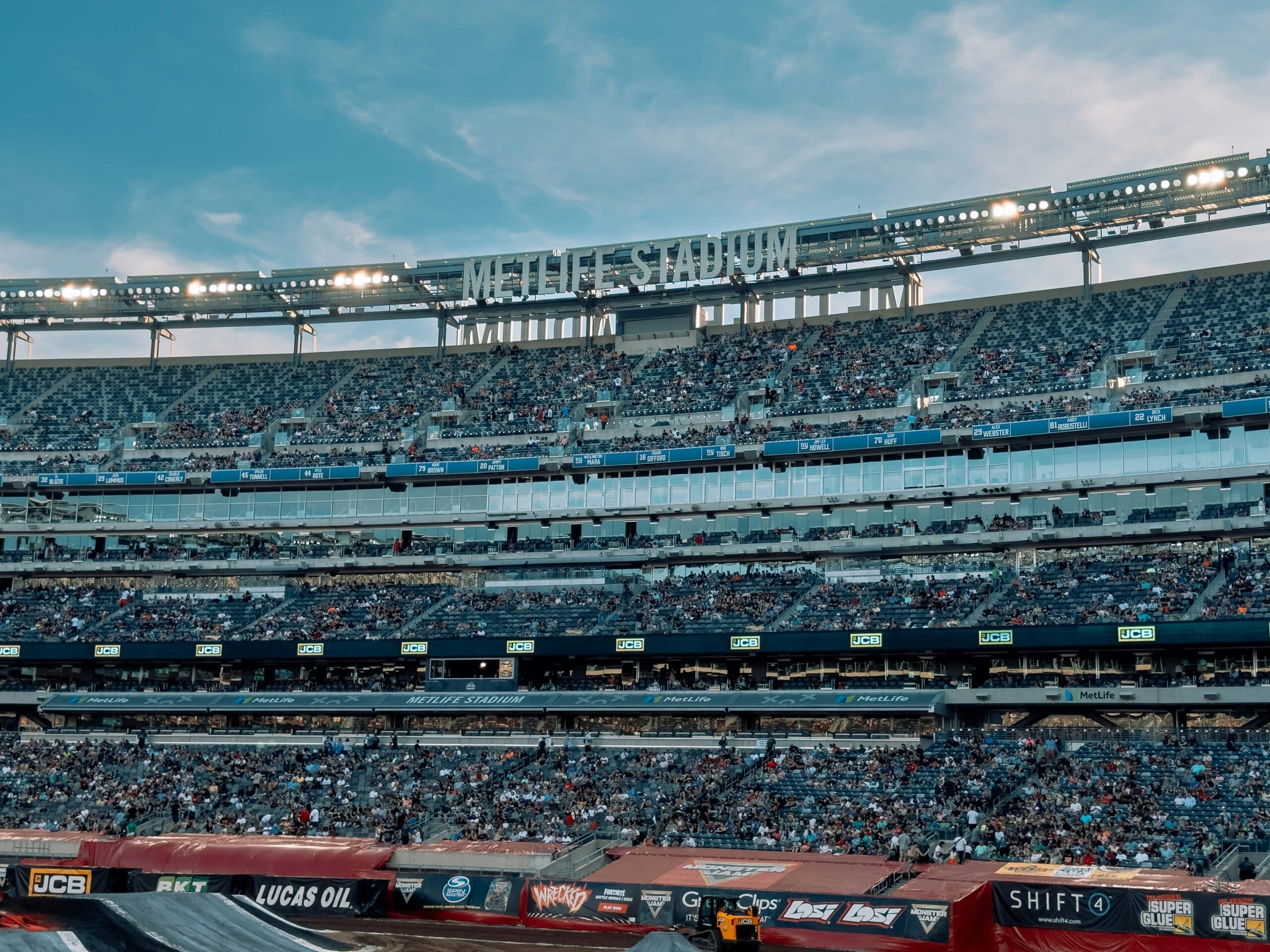
The Stadium: MetLife Stadium
Matches associated with New York will be played at MetLife Stadium, located in East Rutherford, New Jersey.
- Capacity: ~82,500 spectators
- Address: 1 MetLife Stadium Dr, East Rutherford, NJ 07073, USA
- World Cup Significance: One of the largest stadiums in the tournament, designed for high-profile matches and global broadcasts
MetLife Stadium’s size, modern infrastructure, and proximity to Manhattan make it one of the most important World Cup venues in North America.
A City Built for Fans
New York is not traditionally defined by one single football club—but during the World Cup, it becomes home to everyone. Fans from Europe, Latin America, Africa, and Asia already coexist here daily, making the atmosphere uniquely inclusive and electric.
Throughout the tournament, the city will host:
- Large-scale fan zones
- Official and unofficial watch parties
- Neighborhood celebrations tied to specific national teams
- Late-night match gatherings reflecting global time zones
Even on non-match days, the football conversation will continue in public spaces, sports bars, and community venues across Manhattan, Brooklyn, Queens, and nearby New Jersey.
Economic and Cultural Impact
Hosting the World Cup will generate a major economic boost for the New York metropolitan area. Hotels, restaurants, transportation services, and local businesses will see increased demand throughout the tournament.
Culturally, the event reinforces New York’s identity as a global city. The World Cup will leave behind improved infrastructure, stronger international visibility, and a renewed football legacy that extends well beyond 2026—especially among younger fans and immigrant communities where the sport is already deeply rooted.
Looking Ahead to 2026
As the countdown to 2026 continues, New York is preparing to welcome the world with its signature intensity and diversity. For fans planning to attend matches or simply experience the atmosphere, the city promises something rare: the chance to live the World Cup not only inside a stadium, but across an entire urban landscape.
In 2026, football will belong to everyone—and in New York, everyone will be there.
🚍 Transport in New York – FIFA World Cup 2026
Where Is the Stadium?
MetLife Stadium is located in East Rutherford, New Jersey, approximately:
- 10–12 km (6–7 miles) from Midtown Manhattan
- 20–30 minutes from central Manhattan outside peak traffic
Despite being in New Jersey, the stadium is fully integrated into the New York metropolitan transport system.
How to Get to MetLife Stadium
Shuttle Buses (Match Days)
- Special event shuttles from major transit hubs
- Estimated cost: USD $10–$20
- Travel time: 30–45 minutes
Public Transport
- Train connections via Secaucus Junction
- Event-day rail service directly to the stadium
- Cost: USD $8–$15 one way
Car
- Direct highway access
- Parking expected to be pre-booked
- Parking cost: USD $40–$60
Ride-Sharing (Uber / Lyft)
- Dedicated drop-off zones
- Estimated cost from Manhattan: USD $40–$80 depending on demand
Transport Tips
- Arrive at least 2–3 hours early on match days
- Expect security checkpoints and crowd controls
- Follow official FIFA and local transport updates
- Avoid driving unless parking is secured in advance