

Miami and the 2026 FIFA World Cup: Where Global Football Meets Tropical Energy
Introduction
In 2026, Miami will step onto the world stage as one of the most vibrant host cities of the FIFA World Cup. Known globally for its multicultural identity, international connectivity, and major-event expertise, Miami offers far more than a matchday experience—it delivers a full-scale football celebration shaped by Latin American passion, global fandom, and world-class infrastructure.
For international fans traveling to the United States, Miami represents a familiar yet electrifying environment: multilingual, football-obsessed, and built to welcome millions. As the World Cup arrives, the city will transform into a nonstop hub of matches, fan zones, watch parties, and shared global emotion—both inside and far beyond the stadium.
Why Miami Is a Key Host City
Miami was selected as a FIFA World Cup 2026 host city for clear strategic reasons. It is one of the most internationally connected cities in North America, with direct flights from Europe, Latin America, and beyond. Its hospitality capacity, experience hosting Super Bowls, Copa América matches, and major international events makes it uniquely prepared for a tournament of this scale.
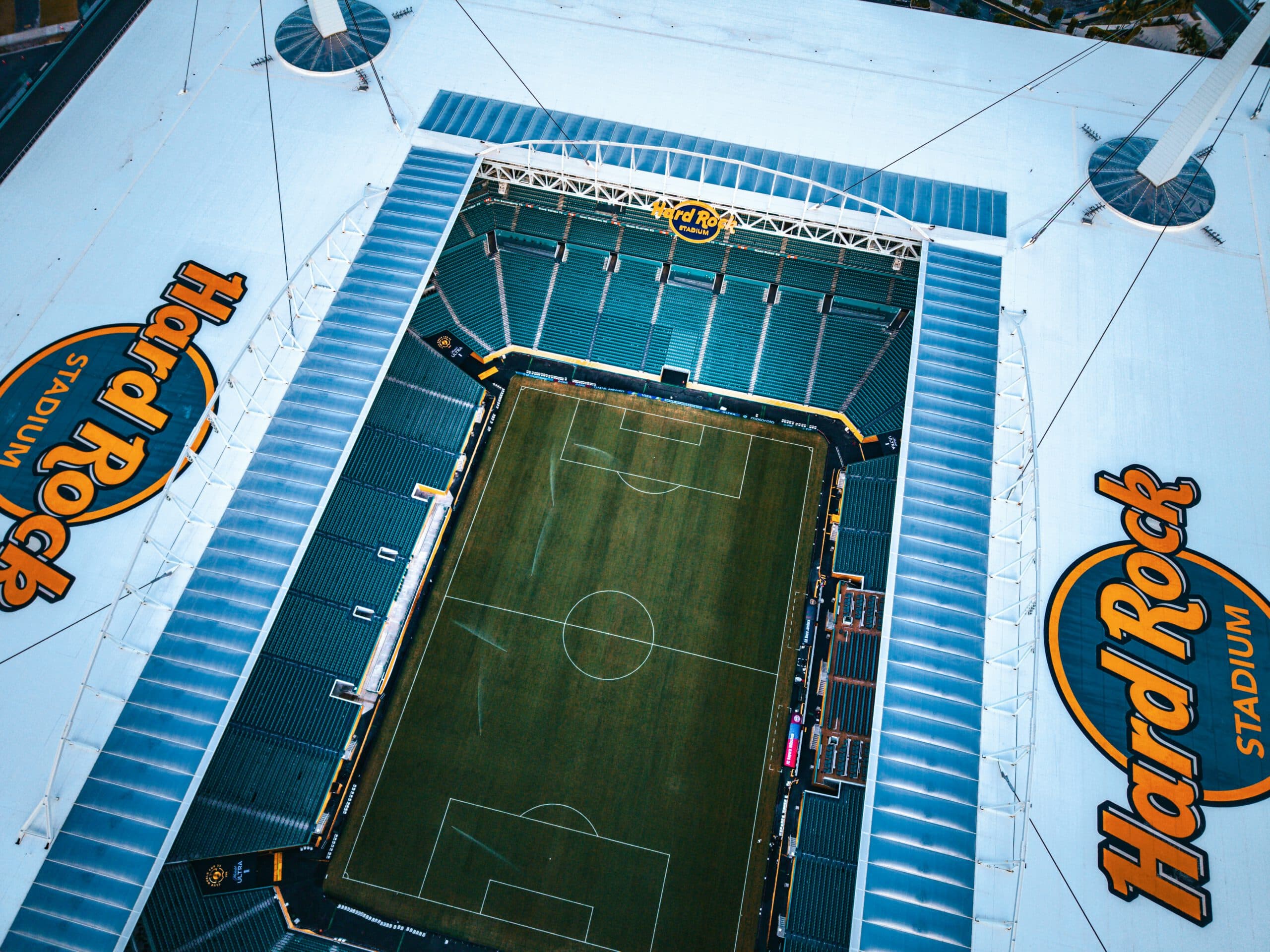
At the heart of Miami’s World Cup operations is Hard Rock Stadium, located in Miami Gardens. With an approximate capacity of 65,000+ spectators, the stadium is one of the most advanced venues in the region. It has undergone multiple upgrades to meet FIFA requirements and is designed to handle massive crowds, media operations, and global broadcasts.
For the World Cup, Hard Rock Stadium will be more than a venue—it will be a focal point of international football culture in South Florida.
A City Built for Fans
Miami is not just hosting matches; it is built for fans. Football culture runs deep here, fueled by decades of Latin American, Caribbean, and European influence. During the World Cup, this translates into city-wide celebrations, spontaneous watch parties, and officially organized fan experiences.
Expect:
- FIFA fan zones and branded public viewing areas
- Large-scale watch parties in entertainment districts
- Sports bars transforming into country-specific fan hubs
- Outdoor celebrations that continue long after final whistles
Even on non-match days, Miami will feel like part of the tournament. Fans without tickets will still experience the World Cup through public screenings, nightlife events, and community-driven celebrations that define Miami’s sporting identity.
Economic and Cultural Impact
The FIFA World Cup 2026 is expected to deliver a substantial economic boost to Miami and South Florida. Hotels, restaurants, transportation services, and local businesses will see a surge driven by international visitors staying for multiple matches and extended periods.
Beyond economics, the cultural impact may be even greater. The tournament reinforces Miami’s role as a global crossroads of football cultures, strengthening its legacy as a city capable of hosting the world’s biggest sporting events. For local communities, the World Cup leaves behind upgraded infrastructure, global visibility, and long-term positioning as an international sports destination.
Looking Ahead to 2026
As the countdown to 2026 continues, Miami stands ready. The city combines global access, football passion, and an unmatched atmosphere that resonates with fans from every continent. Whether you are attending matches at Hard Rock Stadium or watching alongside thousands of supporters across the city, Miami promises a World Cup experience defined by energy, diversity, and unforgettable moments.
For fans planning their journey, Miami is not just a stop on the tournament map—it is a destination where the World Cup comes alive.