
Mexico City and the 2026 FIFA World Cup: The Beating Heart of World Football
Introduction
In 2026, Mexico City will once again step onto the global stage as one of the most iconic host cities in FIFA World Cup history. A metropolis where football is not just a sport but a cultural language, Mexico City represents passion, tradition, and an unmatched emotional connection to the game.
For international fans, the city offers something unique: a World Cup experience shaped by decades of football history, massive crowds, and a city that lives and breathes the tournament from kickoff to the final whistle.
Why Mexico City Is a Key Host City
Mexico City was selected as a host city for the 2026 FIFA World Cup because of its proven ability to deliver world-class sporting events at a global scale. The city combines advanced infrastructure, international connectivity, and deep experience hosting FIFA tournaments.
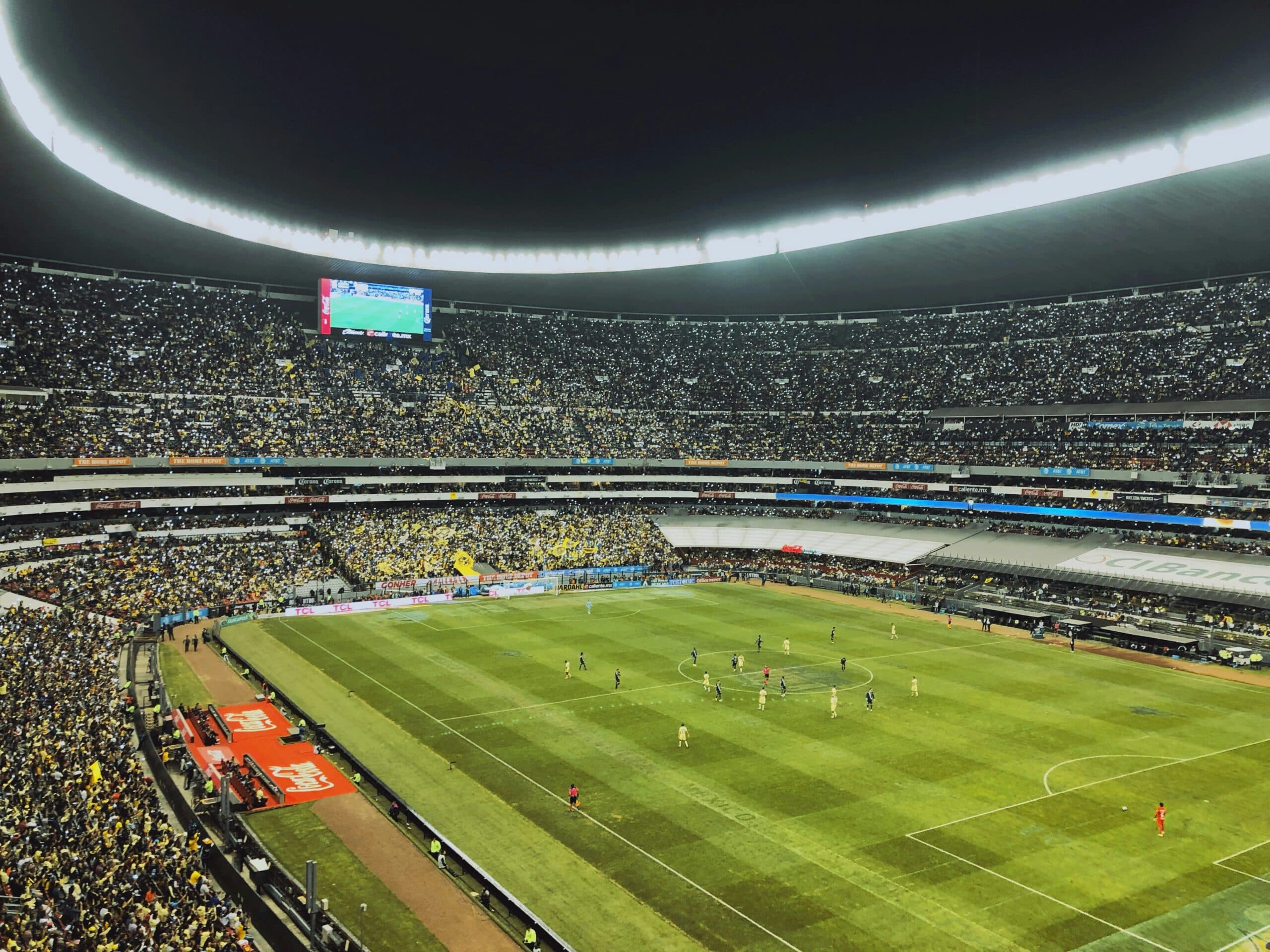
At the center of it all stands the legendary Estadio Azteca, located at Calz. de Tlalpan 3465, Santa Úrsula Coapa, Coyoacán, CDMX, México. With a capacity of approximately 87,000 spectators, it is the only stadium in history scheduled to host matches in three different FIFA World Cups (1970, 1986, and 2026).
For the 2026 tournament, the stadium will serve as a symbol of continuity, heritage, and global football identity.
A City Built for Fans
Few cities on Earth match Mexico City’s football atmosphere during major tournaments. On match days, entire neighborhoods turn into celebration zones filled with flags, jerseys, chants, and spontaneous watch parties.
Beyond the stadium, fans will find:
- Organized fan zones across central districts
- Public screenings in plazas and cultural spaces
- Sports bars packed with international supporters
- Street-level celebrations before and after matches
Even when matches are not being played at Estadio Azteca, the city itself becomes an extension of the tournament—loud, colorful, and relentlessly passionate.
Economic and Cultural Impact
Hosting the 2026 FIFA World Cup will generate a significant economic boost for Mexico City. Hotels, restaurants, transportation services, and local businesses are expected to benefit directly from the influx of international visitors.
Culturally, the tournament reinforces Mexico City’s long-standing identity as one of world football’s capitals. The legacy extends beyond infrastructure upgrades—it strengthens community pride, international visibility, and the city’s reputation as a premier host for global sporting events.
Looking Ahead to 2026
As the countdown continues, Mexico City is preparing to welcome the world once more. For fans seeking authenticity, history, and emotion, there are few places where the World Cup feels more alive.
In 2026, Mexico City will not just host matches—it will host memories, stories, and moments that define generations of football supporters.