

Los Angeles and the 2026 FIFA World Cup: The Global Game on Hollywood’s Biggest Stage
Introduction
In 2026, Los Angeles will take center stage as one of the most influential host cities of the FIFA World Cup 2026. Few cities match LA’s ability to blend global culture, elite infrastructure, and large-scale event expertise. For visiting fans, the World Cup in Los Angeles promises not only world-class football, but a citywide celebration where matches, fan zones, and watch parties turn the metropolis into a living stadium.
Why Los Angeles Is a Key Host City
Los Angeles was selected for the World Cup thanks to its unmatched connectivity, deep experience hosting international mega-events, and a proven record of delivering secure, fan-first operations. Two major international airports, a dense freeway network, expanding public transit, and decades of global sports hosting make LA a natural World Cup hub.
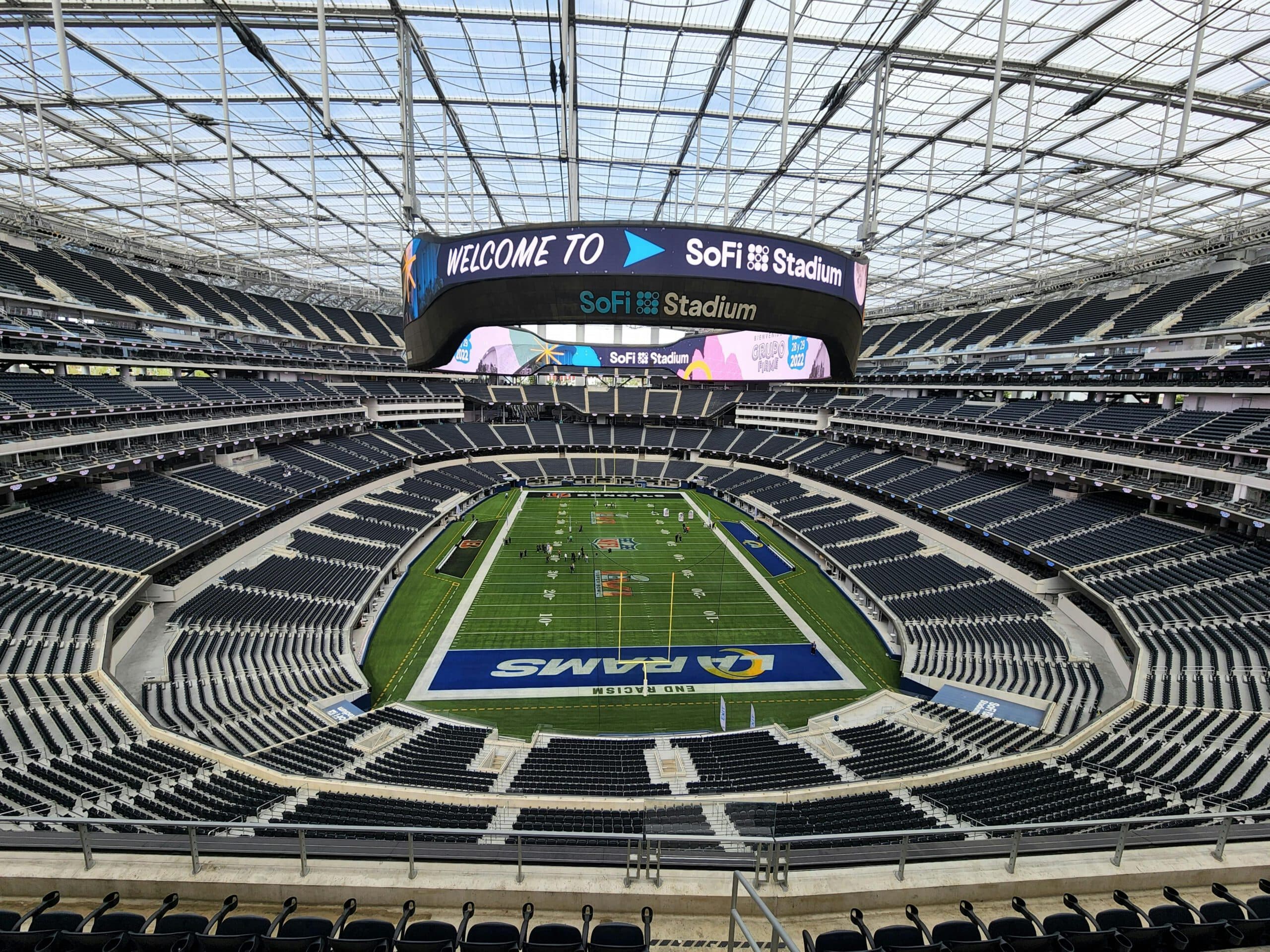
At the heart of the tournament experience stands SoFi Stadium, a state-of-the-art venue in Inglewood with a capacity of roughly 70,000+ for football. Designed for global broadcasts and large crowds, SoFi Stadium is expected to host high-profile World Cup matches and serve as a focal point for international attention throughout the tournament.
A City Built for Fans
Los Angeles thrives on communal sports experiences. During the World Cup, this translates into city-approved fan zones, outdoor screenings, themed festivals, and packed sports bars across multiple neighborhoods. From downtown plazas to coastal districts, fans will find places to watch matches, celebrate victories, and connect with supporters from every continent.
Beyond the stadium, the World Cup atmosphere extends into nightlife districts, cultural corridors, and dedicated watch-party hubs. Whether attending a match day or following your national team from a fan zone, LA delivers a multi-layered experience built around football.
Economic and Cultural Impact
Hosting the World Cup brings a significant economic boost to Los Angeles, driving demand for hotels, restaurants, transport services, and local businesses. The influx of international visitors supports thousands of temporary jobs and reinforces LA’s reputation as a global event capital.
Culturally, the tournament strengthens football’s long-term footprint in Southern California. Community programs, youth engagement, and international exposure contribute to a lasting legacy that extends well beyond 2026.
Looking Ahead to 2026
As the countdown continues, Los Angeles is preparing to welcome the world. For fans, the city offers a rare combination: elite football on the pitch and a diverse, high-energy fan experience off it. In 2026, Los Angeles won’t just host matches—it will host the world.