

Boston and the 2026 FIFA World Cup: A Historic Football Stage in New England
Introduction
In 2026, Boston steps onto the world’s biggest football stage as a host city of the FIFA World Cup™. Known globally for its sporting legacy and event-ready infrastructure, the city—and the wider New England region—will welcome fans from every continent for a month defined by passion, precision, and unforgettable matchdays. With seamless international access, a proven record of mega-events, and a football-hungry fan culture, Boston is positioned to deliver a World Cup experience that feels both iconic and efficient for visiting supporters.
Why Boston Is a Key Host City
Boston was selected for the 2026 FIFA World Cup because it combines world-class connectivity, stadium capacity, and operational expertise. Logan International Airport links the city to major hubs worldwide, while the regional transit network supports large-scale event flows.
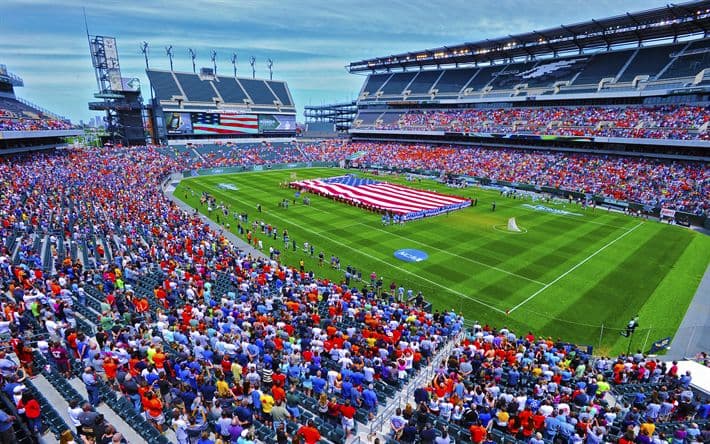
Matches will be played at Gillette Stadium, located in Foxborough, Massachusetts. With an approximate capacity of 65,000+, the venue is purpose-built for high-attendance international events and offers modern amenities, robust security perimeters, and efficient ingress/egress—key requirements for FIFA matchdays. Its role as New England’s premier stadium makes it central to the tournament’s Northeast footprint.
A City Built for Fans
Boston’s sports DNA translates naturally to World Cup celebrations. Expect official fan zones, watch parties, and city-wide programming aligned with FIFA matchdays. Downtown districts and stadium-adjacent developments will host large screens, themed events, and late-night gatherings, ensuring that the World Cup atmosphere extends far beyond the final whistle. Whether you’re watching inside the stadium or in a packed sports bar, Boston delivers a communal, high-energy experience tailored to traveling supporters.
Economic and Cultural Impact
Hosting the World Cup will drive significant tourism inflows, boost hospitality and retail, and create a lasting sporting legacy across the region. Local businesses—from hotels to transport operators—will see elevated demand, while community programs and youth football initiatives benefit from global exposure. The tournament cements Boston’s reputation as a city capable of hosting the world’s most complex sporting events.
Looking Ahead to 2026
As 2026 approaches, Boston is preparing to welcome the world with clarity, organization, and unmistakable sporting pride. For international fans, the city promises a World Cup that’s easy to navigate, safe, and unforgettable—where matchday intensity meets New England efficiency.